
How premium Ultherapy Prime treatment works
Ultherapy Prime is a non-surgical lifting treatment that uses high-intensity focused ultrasound. It delivers energy to targeted tissue beneath the skin, creating small points of thermal coagulation that prompt tissue contraction and collagen remodeling. At Ode Clinic, the treatment plan is shaped around the patient’s facial structure and concerns rather than a uniform pattern. The aim is to address sagging while taking existing facial volume into account. The degree and timing of visible change differ from person to person.
Understanding the treatment target
One layer discussed in Ultherapy planning is the superficial musculoaponeurotic system, or SMAS, a supportive tissue layer beneath the skin and fat. Focused ultrasound creates controlled thermal points in deeper tissue, including the SMAS. These points cause tissue contraction, while subsequent collagen remodeling contributes to changes over time. The doctor selects treatment areas and settings after assessing the face; not every area needs the same approach.
Patients often use the words lifting and tightening interchangeably, but the distinction can help clarify treatment goals. Ultherapy is intended to address tissue laxity and sagging contours through focused ultrasound. Radiofrequency tightening treatments, by contrast, primarily heat the skin to support collagen remodeling and firmness. Neither category is automatically appropriate for every concern. For example, a patient bothered by a change in the jawline may have different priorities from someone seeking improvement in skin texture. During consultation, describe the change you notice and where it occurs rather than choosing a device on terminology alone. The doctor can explain whether ultrasound treatment, another approach, or a different treatment sequence makes sense for your condition.
Ultherapy Prime is designed to target deeper tissue involved in facial support. A useful consultation starts with the concern itself, then considers whether focused ultrasound is an appropriate way to address it.
Areas commonly discussed
Ultherapy Prime can be considered for concerns around the eyebrows and eyelids, cheeks, folds beside the nose and mouth, and the area beneath the chin. The jawline is another common focus. These areas differ in anatomy and facial volume, so the treatment design should reflect the individual rather than simply cover the whole face. A treatment area should be selected after an in-person assessment.
It helps to identify whether your concern is a change in position, loss of firmness, or loss of volume. Sagging cheeks, for example, may be accompanied by hollowing, and each feature deserves consideration when planning an energy-based procedure. Bring attention to any area you want to preserve as well as the area you hope to improve. The doctor can assess the relationship between the two and discuss a suitable plan. A focused treatment may be appropriate for some patients, while others may benefit from a broader discussion of their options. The consultation is also the time to ask what a realistic change would look like for your face.
Facial volume and treatment design
Patients with a slimmer face sometimes ask whether ultrasound lifting will make the face look hollow. Facial fat, skin thickness, and the pattern of sagging all matter when planning treatment. Ode Clinic considers existing volume when designing Ultherapy treatment, including for patients with relatively little facial fat. No treatment plan can eliminate every risk, so discuss any previous volume changes or concerns about hollowing with the doctor before proceeding.
Planning is not simply a matter of choosing a device or a shot count. The doctor also considers where energy should be applied and which areas may need a more cautious approach. If you have undergone previous facial procedures, explain what was treated and how your face responded. That history gives the doctor useful context for discussing your goals and the limitations of ultrasound lifting.
A clear plan should also explain what the treatment is intended to change. Ultherapy does not replace lost volume in the way an injectable treatment might. If hollowing is your main concern, ask the doctor to explain whether lifting alone addresses your priorities or whether another approach should be considered. Preserving facial balance is part of the planning discussion, not an assumption based on the device name.

Planning premium Ultherapy Prime treatment at Ode Clinic
Ode Clinic begins with a direct consultation with the doctor who performs the procedure. You do not need to know which treatment to request before visiting. The discussion can start with your concerns, medical history, and preferences, then move to the options that fit your circumstances. The clinic also uses a follow-up consultation to finalize the plan before treatment. This process gives you an opportunity to ask questions about the proposed areas, anticipated changes, cost, and potential side effects.
Your consultation and assessment
During the one-on-one consultation, explain what you would like to improve and which features you want to maintain. The doctor can assess facial structure, skin condition, and volume before recommending a treatment design. Mention previous aesthetic procedures and relevant medical conditions, as well as any medicines you take. This information helps the doctor discuss suitability and identify points that may affect the plan.
It is also useful to discuss timing. If you have an upcoming event, tell the doctor when it is and ask how that may influence your decision. Changes may take time depending on individual condition, and temporary redness, swelling, or tenderness can occur after treatment. Ask how the proposed treatment relates to your goals, what level of change is reasonable to expect, and how the clinic assesses progress. Ode Clinic uses diagnostic photographs for before-and-after comparison and follow-up discussion. Photographs can provide a consistent reference, but results still need to be interpreted in the context of your individual condition and expectations.
A device name alone does not determine the right treatment. Direct assessment gives the doctor and patient a chance to weigh facial anatomy, goals, timing, and potential risks together.
What happens during a visit
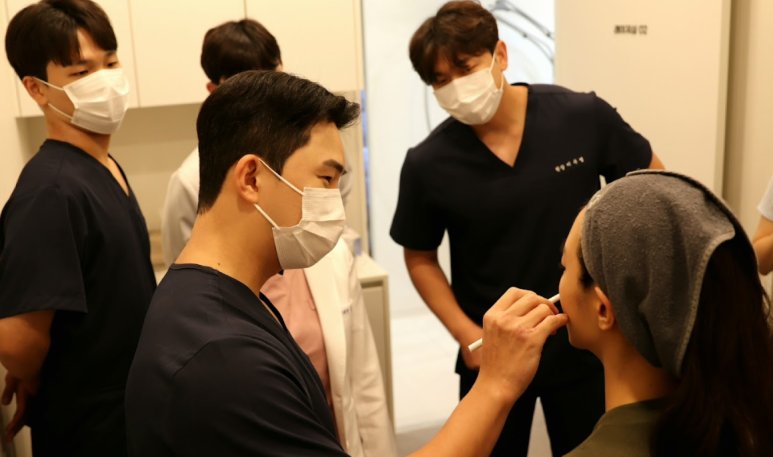
Ode Clinic’s process begins with arrival and a one-on-one consultation with the chief director. A further consultation is used to finalize the treatment plan. The procedure takes place in a private, single-person room, followed by personalized post-procedure care before departure. The doctor can explain each part of your visit and answer questions about the proposed treatment before you decide to proceed.
Before treatment, ask the doctor to review the intended areas and explain how the procedure may feel. Ultrasound treatment can cause discomfort, and Ode Clinic offers nitrous oxide sedation as an option instead of sleep anesthesia. Suitability should be discussed with the medical staff in advance, including any relevant health concerns. During the procedure, communicate if a sensation is difficult to tolerate. Afterward, follow the individualized instructions provided by the medical staff rather than assuming that advice given to another patient applies to you. If you have questions about returning to your usual activities, raise them during the consultation so you can plan around your own circumstances.
Questions worth asking before treatment
A good consultation should leave you with a clear understanding of the proposed plan. Ask which areas will be treated, why those areas were selected, and how the doctor will account for your facial volume. You can also ask what changes to look for and when a follow-up discussion would be useful. If the recommendation differs from what you expected, ask the doctor to explain the reasoning.
Cost is another part of that discussion. Ode Clinic lists Ultherapy Prime at ₩350,000 for 100 shots, excluding VAT. The total depends on the treatment plan and applicable charges. Ask for an explanation of the proposed shot count and total price before agreeing to the procedure, rather than comparing treatments on price alone.
| Consultation topic | What to discuss |
|---|---|
| Treatment areas | The concerns to address and areas where facial volume should be considered |
| Procedure comfort | Expected sensations and whether nitrous oxide sedation is suitable |
| Cost | The proposed shot count, applicable charges, and total price |
| Follow-up | Individualized care instructions and how changes can be assessed |
Bring a list of questions if you are comparing options or are unfamiliar with aesthetic treatments. You can ask the doctor to distinguish between the goals of lifting, skin tightening, and volume restoration. Ode Clinic has ultrasound and radiofrequency equipment, allowing the consultation to include a discussion of different approaches. The appropriate choice depends on the concern and assessment, not on a single device being suitable for everyone.
What to consider after premium Ultherapy Prime treatment
Understanding the expected course of treatment helps you assess changes without relying on an immediate impression. Ultherapy can cause tissue contraction, while collagen remodeling continues over time. The extent of change and how long it lasts depend on individual factors. Ode Clinic describes an estimated duration of six to twelve months for Ultherapy Prime, but that estimate is not a promise of a particular result. A follow-up conversation can help you decide whether further treatment is appropriate.
Changes and follow-up
Some patients may notice an early change, while other changes develop as collagen remodels. The timing and degree of improvement differ between individuals. Ode Clinic offers diagnostic photo comparison and follow-up consultations, which can help patients and the doctor review changes over time. Ask how photographs will be used and when a review would be appropriate for your treatment plan.
When assessing your result, return to the goals agreed upon before treatment. A change in the appearance of the jawline or cheeks may be easier to evaluate when compared with photographs taken under consistent conditions. At the same time, no photograph can predict how an individual will respond or how long a change will last. If the result differs from what you expected, discuss that openly with the doctor. The conversation can address whether more time is needed, whether the original concern involved volume as well as laxity, and whether another approach should be considered. Repeat treatment is a decision to make after assessment, not an automatic requirement.
Changes may take time, and individual responses vary. Follow-up is most useful when it compares the result with the concerns and goals discussed before treatment.
Points to consider before treatment
Ultrasound treatment can cause discomfort during the procedure. Temporary redness, swelling, and tenderness may occur afterward. Less common complications can include burns or nerve effects, so discuss the potential risks and how to recognize a problem with the doctor before treatment. Contact the medical staff promptly if symptoms are severe, worsen, or concern you.
Before proceeding, tell the doctor about relevant health conditions, medicines, and previous treatments. Do not assume that a non-surgical procedure is suitable for everyone or that all facial areas should be treated in the same way. The doctor can discuss whether your condition affects the treatment plan and explain the expected aftercare. If you are considering sedation, ask about its suitability and any instructions that apply to your visit. You should also have an opportunity to weigh the potential benefits against the risks and cost. Taking time to understand the recommendation is an important part of deciding whether to proceed.
Maintaining a balanced treatment plan
Facial aging can involve changes in skin firmness, tissue position, and volume at the same time. Ultherapy addresses laxity through focused ultrasound, but it does not serve every treatment goal. Ode Clinic’s consultation considers the patient’s needs alongside the timing of changes, expected duration, cost, and potential side effects. That discussion may lead to Ultherapy, another treatment, or a different sequence of care.
It is reasonable to revisit your goals as your face changes. Rather than scheduling treatment solely because an estimated duration has passed, ask the doctor to reassess the areas that concern you. A review can also help distinguish new laxity from changes in volume or skin texture. The most useful plan is one you understand, with a clear reason for each recommended step.
Before leaving the clinic, make sure you understand your personalized care instructions and whom to contact with concerns. Keep any follow-up photographs or notes available for future discussions. Informed decisions depend on an individual assessment and realistic expectations. Whether you are new to ultrasound lifting or considering a repeat procedure, the consultation is the place to discuss the benefits, limitations, and alternatives relevant to you.



Frequently Asked Questions
Q.What does Ode Clinic offer for facial lifting?
A.Ode Clinic offers Ultherapy Prime, a focused ultrasound treatment used to address facial sagging. Treatment planning begins with a one-on-one consultation with the treating doctor.
Q.Who might consider Ultherapy Prime?
A.People concerned about sagging around the cheeks, jawline, eyebrows, or beneath the chin may wish to discuss it with the doctor. Facial volume and individual treatment goals are considered during assessment.
Q.What happens during treatment at Ode Clinic?
A.After consultation and confirmation of the plan, treatment takes place in a private, single-person room. Ode Clinic also provides personalized post-procedure care.
Q.How long can the effects last?
A.Ode Clinic describes an estimated duration of six to twelve months for Ultherapy Prime. Results and their duration vary by individual.
Q.Where is Ode Clinic, and how can I contact the clinic?
A.Ode Clinic is at 8F, Gyeongwon Building, 340 Gangnam-daero, Gangnam-gu, Seoul. Call +82 2-569-0222 to ask about an appointment.
Clinic Information
| Clinic | Ode Clinic |
|---|---|
| Specialty | Dermatology |
| Address | Seoul, Gangnam District, Gangnam-daero, 340 8F |
| Phone | +82 2-569-0222 |
| Website | https://odeclinicseoul.com/en |
 Ode Clinic