What a Personalized Lifting Consultation Covers
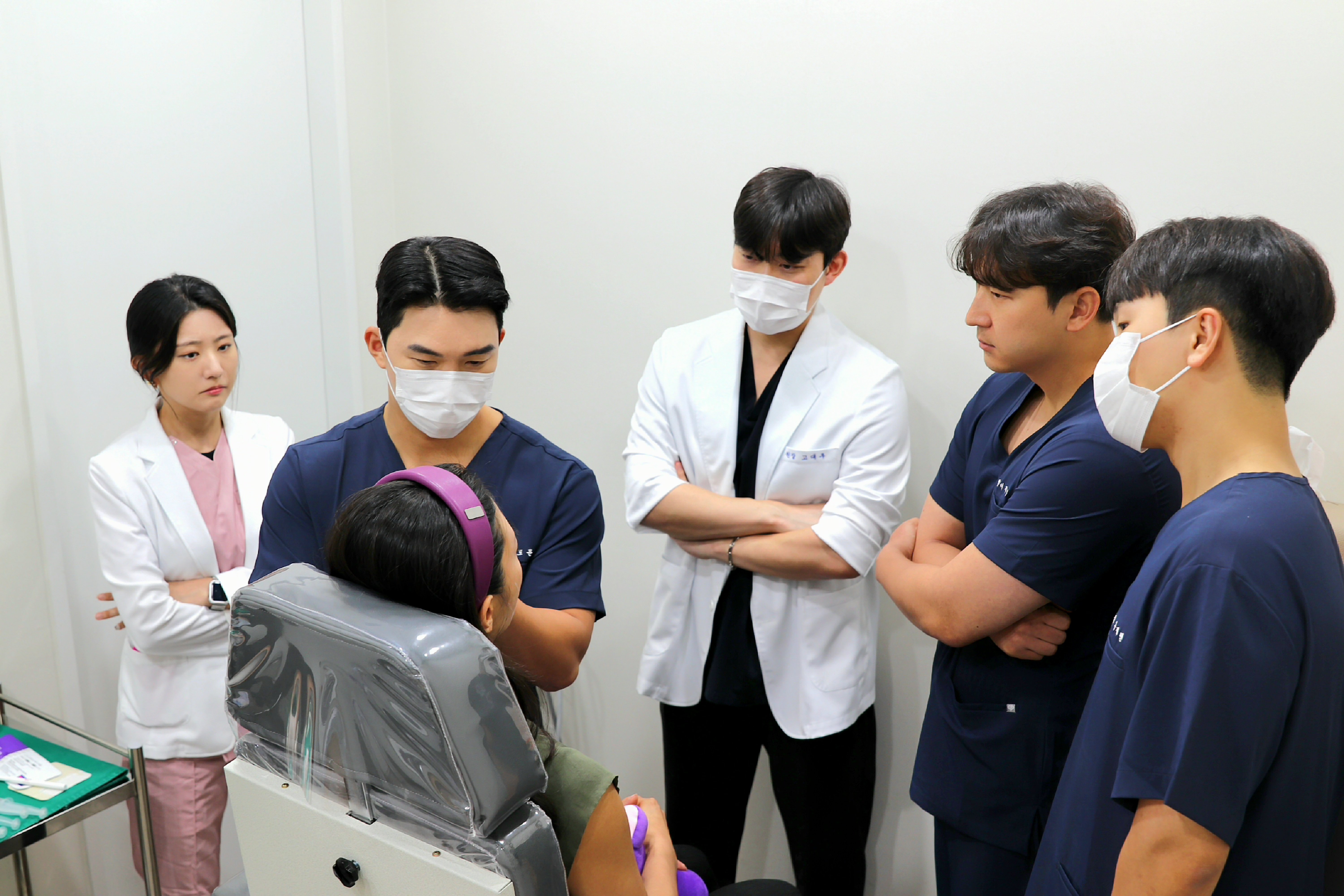
A lifting consultation is an opportunity to understand what is contributing to the changes you see and which treatment approach addresses your priorities. Sagging, reduced firmness, and facial volume loss can appear together, but they are not necessarily addressed in the same way. At Ode Clinic, the doctor who performs the procedure conducts the consultation directly. The discussion considers your concerns alongside practical matters such as treatment timing, cost, and potential side effects, so that the proposed plan reflects your circumstances.
Start With Your Main Concern
Before discussing devices, describe the change you want to address and where you notice it. Your priority might be sagging around the cheeks or jawline, reduced skin firmness, or a hollow appearance in the mid-face. Identifying the concern matters because lifting, tightening, and volume treatment have different goals. A treatment selected for skin firmness, for example, may not address a hollow area in the same way as a volume treatment. Your doctor can explain these distinctions during the assessment.
It also helps to explain what you want to preserve. If you are concerned about facial hollowing, mention it before choosing an energy-based procedure. The doctor can consider facial fat, skin thickness, and the areas you want treated when discussing a plan. You do not need to arrive with a technical diagnosis or a specific device in mind. A description such as “I notice more looseness around my jawline” gives the doctor a starting point for the examination. Be open about any previous cosmetic procedures and whether their outcome matched your expectations. That context can help focus the discussion on the changes you are seeking now, rather than simply repeating an earlier treatment.
A useful consultation starts with the concern, not the device. Once the doctor understands your priorities and examines your skin, the discussion can move to the options and their trade-offs.
Who May Find a Consultation Useful
A consultation can be useful if you have noticed changes in facial contours, skin elasticity, or volume and want to understand the available approaches. It is also appropriate if you are comparing treatments but are unsure whether your main concern calls for lifting, tightening, or a volume procedure. People who have received treatment before can discuss what they noticed afterward and what they would like to approach differently. The examination helps determine whether a proposed procedure is appropriate for the individual.
Different concerns can overlap. For example, a person may notice both looser skin and reduced fullness in the cheeks. In that situation, the doctor may discuss more than one category of treatment, as well as the order in which options could be considered. A combination should not be assumed to be necessary: the decision depends on the examination, your goals, and your preferences. Personalized does not mean choosing the largest number of procedures; it means understanding why each recommendation is relevant. If you prefer to address one concern first, say so. You can also ask what degree of change is realistic and how a proposed treatment compares with leaving the area untreated.
What to Bring to the Discussion
Prepare a brief account of prior cosmetic treatments, including the areas treated and when the procedures took place. Tell the doctor about relevant medical conditions, medicines, allergies, and any current skin irritation. These details help the medical staff assess treatment suitability and discuss precautions. If you have had a reaction to a previous procedure, describe what happened and how long it lasted. Bring any records you have, but do not worry if you cannot recall every detail.
Think about your schedule as well as your appearance goals. Some treatments involve a series of visits, while others are planned as a single session with follow-up as appropriate. Ask about discomfort, aftercare, and any activities you may need to adjust. Share any upcoming commitments that could affect your preferred timing. The doctor can explain what to expect for the particular procedure under consideration, rather than relying on general assumptions about all lifting treatments.
It is reasonable to bring a short list of questions. Ask which concern each recommended procedure is intended to address, how changes may develop, and what alternatives are available. If a recommendation includes more than one treatment, ask why the combination is proposed and whether the options can be considered separately. A clear explanation should leave you able to make a decision without feeling that you must select a procedure before you understand it.
Personalized Lifting Consultation: Comparing Treatment Options
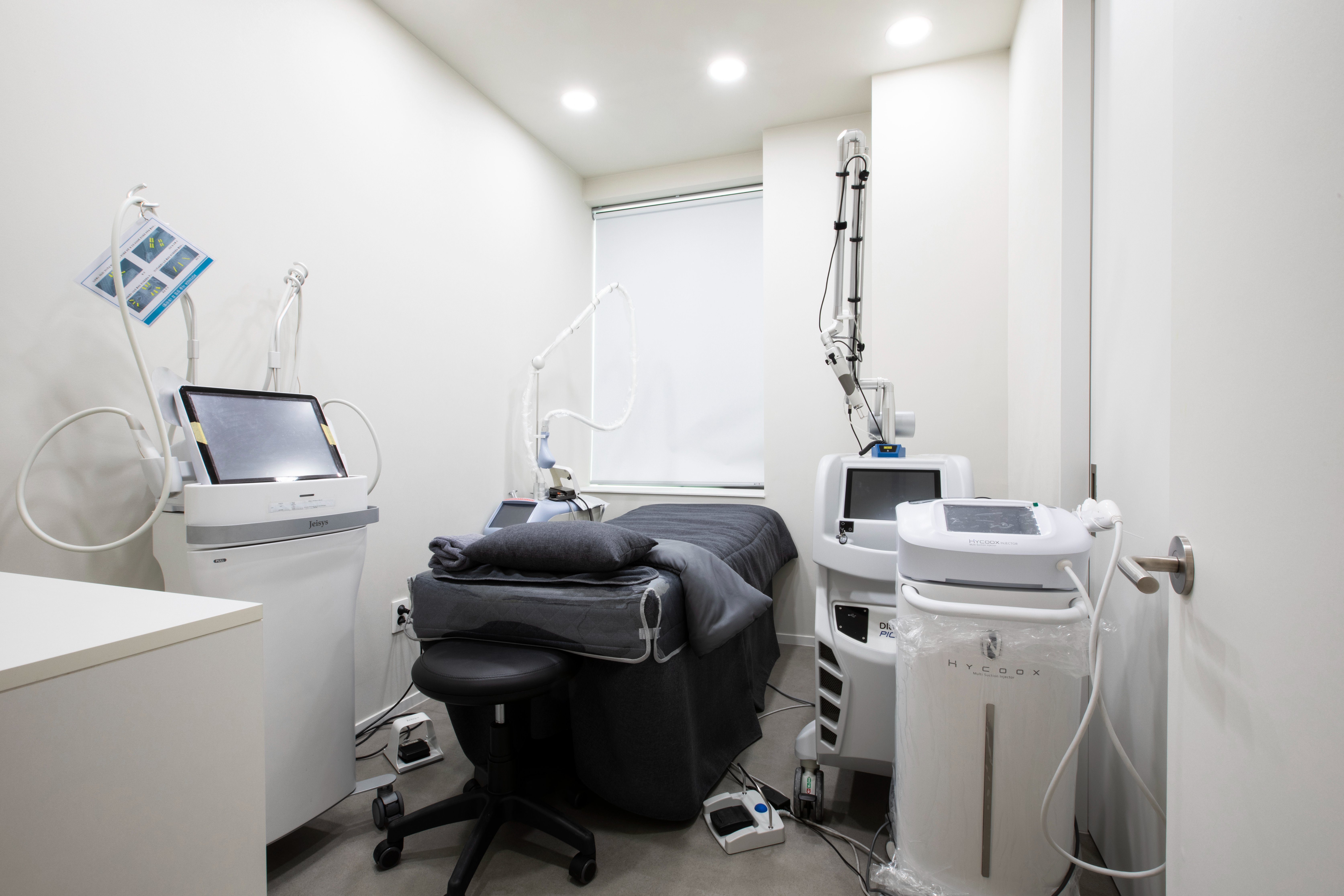
Ode Clinic offers treatments that use different technologies, including focused ultrasound, radiofrequency, and muscle stimulation. The clinic also offers injectable volume treatments. No single approach addresses every concern, and the choice should follow the examination rather than a device name alone. During consultation, the doctor can explain the intended treatment area, how the procedure is designed to work, and how it compares with alternatives. Changes may take time depending on the treatment and individual condition.
Lifting and Tightening Are Not the Same
Ultherapy Prime uses focused ultrasound to deliver energy to deeper tissue layers and is discussed as a lifting option for concerns such as sagging cheeks and the jawline. Thermage FLX uses radiofrequency energy and is aimed at skin tightening and collagen remodeling. Thermage is generally discussed in terms of firmness and texture rather than a dramatic change in facial contours. The distinction is helpful when deciding whether your main goal is to address sagging or improve skin firmness.
Other radiofrequency options at Ode Clinic include DEEP MODE XERF and Density Alpha. Density Alpha uses sequential bipolar and monopolar radiofrequency, while the clinic’s XERF protocol uses DEEP MODE. The doctor can explain how a proposed treatment relates to the area being assessed and why it may be preferable to another option in your case. EMFACE combines muscle stimulation with radiofrequency and is another treatment the doctor may discuss for mid-face concerns. Each approach has its own treatment plan, expected timing, and considerations. Rather than comparing treatments by name alone, ask what the proposed option is intended to change and what it is unlikely to address. This helps set a more useful expectation before you decide.
Lifting and tightening describe different treatment goals, even when both are discussed under the broader idea of facial rejuvenation. The most useful comparison is between the concern you want to address and what each treatment is designed to do.
When Volume Is Part of the Conversation
Facial volume loss can contribute to a hollow appearance, particularly in the cheeks and mid-face. In some cases, the doctor may discuss a volume treatment alongside or instead of an energy-based procedure. Ode Clinic offers options including Juvelook Volume, Sculptra, and filler treatments. These options differ in their materials and how changes develop. An assessment is important because the appropriate approach depends on the area, your facial structure, and the result you are seeking.
Juvelook Volume and Sculptra are collagen-stimulating treatments, while fillers are used to add volume in selected areas. These are not interchangeable choices, and their suitability should be considered individually. Ode Clinic also offers Point Lifting, a filler-based approach intended to address selected areas of facial sagging and volume loss. Ask the doctor to explain the intended injection area, the product, the amount proposed, and the relevant precautions. For collagen-stimulating treatments, changes may develop gradually. Understanding the proposed product and its purpose is more informative than assuming that every injectable provides the same kind of lift. The doctor can also discuss whether treatment sequencing matters when both volume and skin firmness are concerns.
Compare the Plan, Not Just the Treatment Name
Ask how the treatment will be tailored to your face. For an energy-based procedure, that discussion may include the intended treatment areas and the planned number of shots. For an injectable, it may include the product, the amount, and the injection areas. The doctor should also explain whether the plan involves one visit or a course of treatment. These details make it easier to understand what you are agreeing to and compare options on a like-for-like basis.
Cost is one part of that comparison, but it does not describe the entire plan. The examples below show listed prices for specific treatments and quantities at Ode Clinic. They are not interchangeable packages, and the appropriate treatment and quantity depend on the consultation. Listed prices exclude value-added tax. Ask for the total price of your proposed plan before proceeding, including any applicable tax and the treatments included.
| Treatment | Listed quantity | Price, excluding tax |
|---|---|---|
| Ultherapy Prime | 100 shots | ₩350,000 |
| Thermage FLX | 600 shots | ₩2,300,000 |
| DEEP MODE XERF | 300 shots | ₩1,000,000 |
| EMFACE | One session | ₩800,000 |
When discussing a quote, check whether it covers the exact treatment and quantity recommended. A shot count is useful information, but it does not by itself explain the treatment areas or the intended goal. You can also ask whether additional sessions are proposed and how the plan would change if you chose to focus on one concern first. An informed decision takes into account the procedure, its expected course, potential side effects, and your budget.
Personalized Lifting Consultation: Planning Your Visit
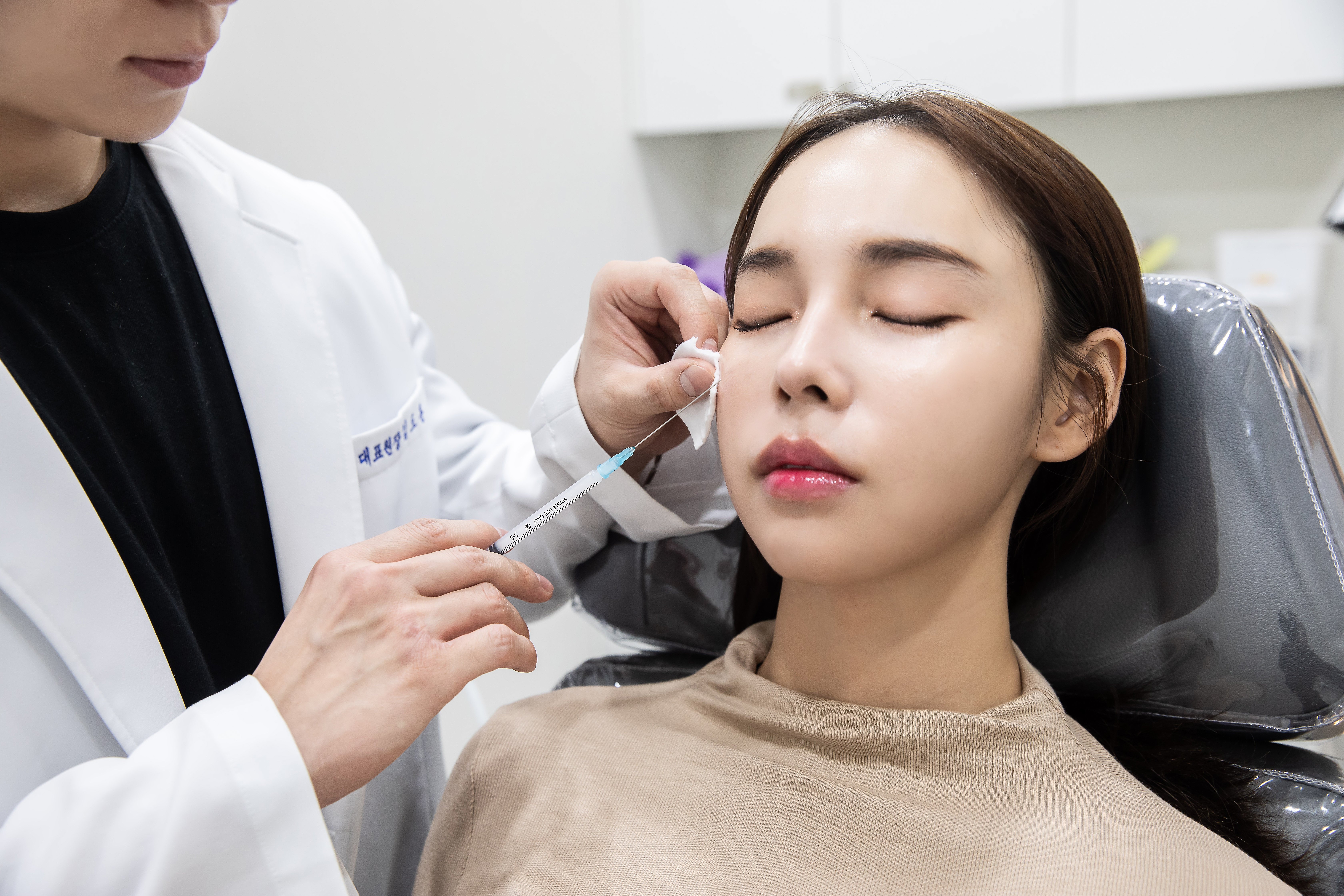
A consultation is also the time to discuss practical details: what happens before treatment, what you might experience afterward, and how changes will be assessed. Ode Clinic’s process includes a one-to-one consultation and treatment design, a further consultation, a procedure in a private room, and customized care. The decision to proceed should follow a discussion of the proposed treatment and its considerations. If you need more time to weigh the options, ask the medical staff to clarify any part of the plan.
Discuss Timing and Expectations
Different procedures have different schedules and patterns of change. Thermage FLX, for example, is associated with gradual collagen remodeling, while a course of EMFACE may involve multiple sessions. The doctor can explain the expected timing for your recommended treatment and when a follow-up assessment would be useful. Results vary by individual, and changes may take time depending on your condition. Ask what would be realistic to assess at each stage rather than expecting every treatment to produce an immediate visible change.
It is also helpful to discuss how long any change may last and what maintenance could involve. These estimates are not promises: skin condition, treatment selection, and individual response all matter. If you have a particular event or travel schedule in mind, tell the doctor so that the timing can be considered alongside the procedure. Ask whether the treatment is intended to address the whole face or a specific area, and whether the expected change is primarily in firmness, contour, or volume. This conversation can help align the treatment plan with your priorities. It also gives you a chance to decide whether the proposed schedule is practical for you before making a commitment.
A treatment plan is easier to evaluate when its purpose, timing, and follow-up are clear. Ask the doctor what change is reasonable to look for and when it makes sense to assess it.
Points to Consider Before Treatment
Every procedure should be considered in light of its potential risks as well as its intended benefits. Depending on the treatment, the doctor may discuss temporary redness, swelling, bruising, discomfort, or other complications. Radiofrequency procedures, for example, can rarely cause burns or blistering. Injectable treatments have their own considerations. Ask which risks apply to the procedure being recommended, how the medical staff manages them, and what signs should prompt you to contact the clinic.
Disclose relevant medical history and any medicines or products you use before treatment. If you have active irritation or another concern in the area, point it out during the assessment. The doctor can decide whether to proceed, adjust the plan, or discuss another approach. For patients concerned about discomfort during Ultherapy or Thermage, Ode Clinic offers nitrous oxide sedation as an option; its suitability should be discussed with the medical staff. Ask about preparation and aftercare for your specific procedure, including any instructions that apply to your circumstances. Do not assume that advice for one treatment applies to every device or injectable. You should understand the recommended care and whom to contact if you have concerns after your visit.
Follow-Up and Practical Details
Ode Clinic uses diagnostic photographs, including two-dimensional and three-dimensional imaging, to support before-and-after comparisons. Follow-up consultations give the doctor an opportunity to review changes with you and discuss any concerns. Photographs can be useful when changes develop gradually and are difficult to judge from memory alone. Ask how your progress will be reviewed and whether a follow-up visit is recommended for the procedure you choose.
Ode Clinic is located in the Gangnam District of Seoul. Clinic hours are Monday through Friday, 11:30 AM to 8:30 PM, and Saturday and Sunday, 10:00 AM to 4:00 PM, with no lunch break. When arranging a visit, consider allowing time to discuss your concerns and ask questions before deciding on treatment. If you have a preferred procedure in mind, mention it while booking, but remain open to the doctor’s assessment of whether it addresses your goal.
A considered decision does not require mastering every device beforehand. Focus on the concern you want addressed, share your health and treatment history, and ask the doctor to explain the reasoning behind the recommendation. Review the proposed treatment areas, cost, expected course, and potential side effects together. A clear plan should make sense to you before treatment begins. If any part remains unclear, ask the medical staff to explain it in practical terms.



Frequently Asked Questions
Q.What does Ode Clinic offer?
A.Ode Clinic is a dermatology clinic offering lifting, tightening, and volume treatments. The doctor who performs the procedure conducts the consultation directly.
Q.Who might benefit from a consultation?
A.A consultation can help people concerned about facial sagging, reduced skin firmness, or volume loss understand which approaches may suit their goals.
Q.What treatments can I discuss?
A.Options at Ode Clinic include Ultherapy Prime, Thermage FLX, DEEP MODE XERF, Density Alpha, and EMFACE. The doctor can also discuss volume treatments when relevant to your concerns.
Q.What should I prepare before visiting?
A.Be ready to describe your concerns, previous cosmetic procedures, relevant medical conditions, medicines, and allergies. You can also bring questions about treatment timing, cost, and aftercare.
Q.Where is Ode Clinic, and how can I arrange a visit?
A.Ode Clinic is at 8F, Gyeongwon Building, 340 Gangnam-daero, Gangnam-gu, Seoul. Call +82 2-569-0222 to ask about arranging a visit.
Clinic Information
| Clinic | Ode Clinic |
|---|---|
| Specialty | Dermatology |
| Address | Seoul, Gangnam District, Gangnam-daero, 340 8F |
| Phone | +82 2-569-0222 |
| Website | https://odeclinicseoul.com/en |
 Ode Clinic